
Foreward
Words by writer and artist - Olivia Drake
A new guard of holistic coaching is quietly rewriting the terms of how serious creative work gets made — restoring depleted creative capacity, and building an entirely new model for an industry that has, for decades, treated exhaustion as the cost of doing business. Rachael Sardelich is pioneering that frontier.
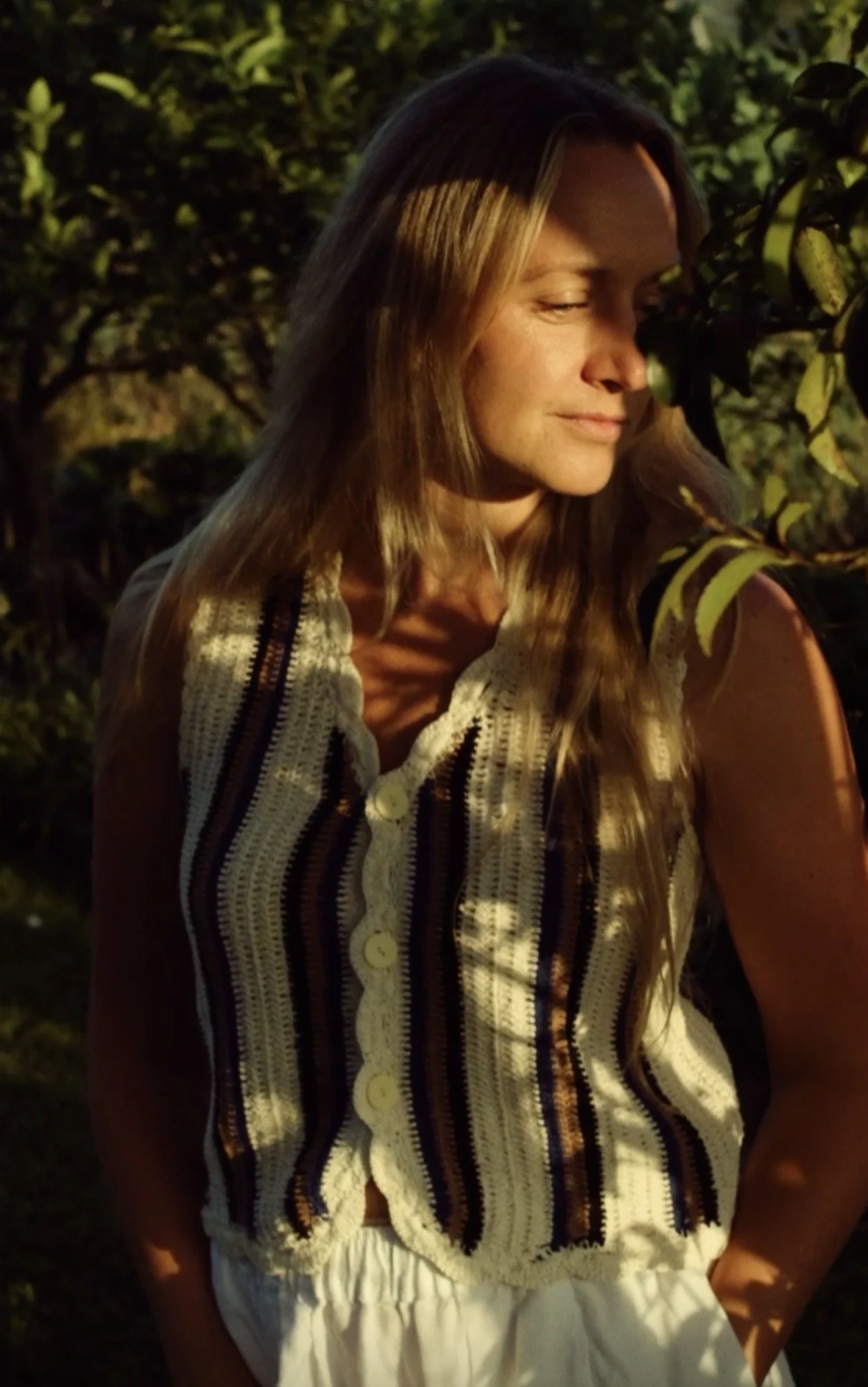

A consultant and coach for artists, certified Vedic meditation teacher, and cultural advocate, her work sits at a junction few in the industry have successfully occupied: the place where spiritual discipline meets serious creative strategy. Her path through the industry is itself instructive. She began under Ian Schrager's vision at Morgans Hotel Group — the hotelier widely credited with inventing the boutique hotel as a cultural space rather than simply a place to sleep — before going on to represent world-class artists at Winterman & Goldstein, working closely with talent at the most formative stage of their careers. That experience, sitting close to ambition, talent and the particular exhaustion that follows both, became the foundation for the practice she runs today.
"There's a version of this industry that has always confused intensity with importance. The assumption was that if you weren't depleted, you weren't serious. I don't think that's true, and I don't think it ever was. What I've seen, over and over, is that the most significant work comes from people who have built real architecture to sustain themselves — not people who are running on empty."
As the language of burnout becomes harder to ignore — in fashion, in music, in fine art, in the broader creative economy — Rachael has positioned her practice not as a wellness adjunct, but as something closer to essential infrastructure. Her approach draws on Vedic meditation, a centuries-old contemplative tradition, alongside performance coaching methodologies more commonly associated with elite sport and executive leadership. The combination is deliberate.
"Creativity isn't simply aesthetic output. It's a neurological process and, I'd argue, a spiritual one too. If you only ever address the strategic side — the career moves, the positioning, the next big project — without addressing the internal conditions that allow someone to access their best thinking, you end up with people who can perform but can't sustain. That's the gap I work in."
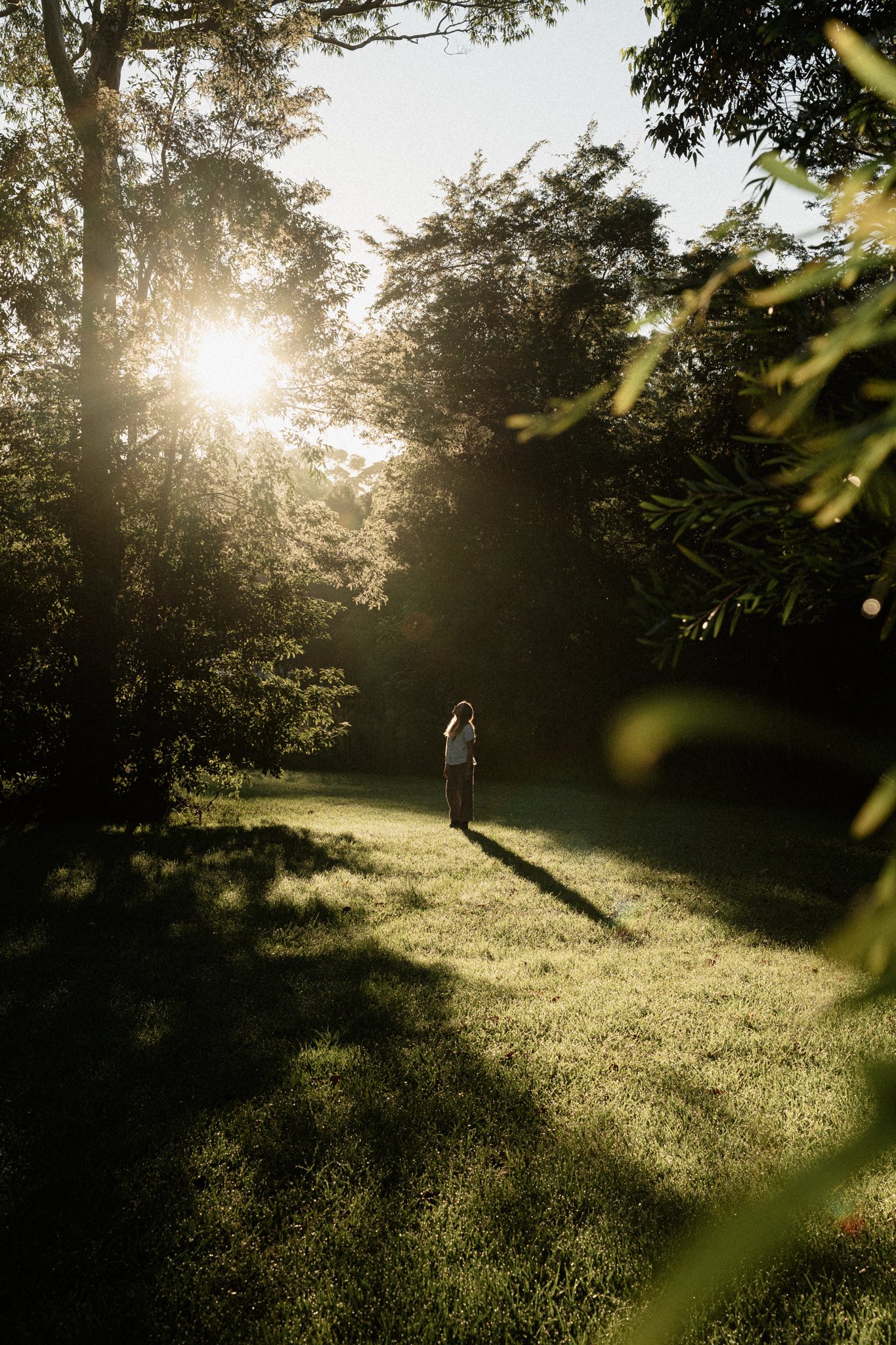
The shift she describes is not abstract. Across the creative industries, there is a growing acknowledgment that the old model — talent discovered young, pushed hard, and often discarded once the output slows — has reached a point of genuine reckoning. Labels, galleries, agencies and studios are beginning to ask what a more durable model of creative support might look like, even as most still lack the internal expertise to build one. It is into this gap that Rachael has stepped — working not within institutions but alongside them, as independent counsel to the artists, founders and creative leaders those institutions depend on.
Her clients are not, she is quick to clarify, in crisis. What unites them is not burnout but threshold — the point at which someone has already built something real, and senses that what comes next will require a different kind of foundation.
"I'm less interested in the burnt-out-and-barely-coping version of this conversation. The people I work with have usually already proven themselves. They're not looking to be rescued. They're looking to go further — and they've realised that doing so on the old terms isn't sustainable. That's a different and, I'd argue, more interesting problem to solve."
What distinguishes her approach from the broader wellness-meets-business category, now well populated, is a refusal to separate the two halves of the equation. Career strategy without nervous system understanding produces performers who cannot sustain. Meditation without structural creative counsel leaves the real problem unsolved. "Both halves have to be held at once. That's the actual work."
It is a position that requires a certain confidence to hold — in an industry that has historically rewarded specialists over integrators, and been slow to take spiritual practice seriously as professional infrastructure. But as more of the industry's most accomplished figures quietly seek out exactly this kind of integrated support, the model Rachael represents looks less like an outlier and more like an early indicator of where creative support is heading.